Thomas Kriewaldt – ME 514 Final Report
University of Wisconsin-Madison, Madison, WI
Abstract
Over 80 million metric tons of new PET are produced annually, but only 33% of it is recycled [1, 2]. Personal-scale recycling systems present an opportunity to supplement efforts to reduce global PET waste and also reduce individual PET consumption. The RePET system, developed by ECODECAT, enabled conversion of PET strips into extrudable, hollow rPET filament for use in FDM printing applications [3]. However, optimal printing parameters for FDM printers using bottle-derived rPET and cold-extrusion systems have not yet been characterized in the literature. To resolve this, 27 ASTM-D638 Type V dogbone specimens were printed across three nozzle temperatures (255°C, 260°C, and 265°C), three sparse infill percentages (10%, 20%, and 30%), and three build plate orientations (0°, 30°, and 45°). Each specimen consists of a unique combination of these three parameters. Tensile properties were measured using MTS testing, and data were analyzed in MATLAB. Specimens printed with a nozzle temperature of 255°C had much lower ultimate tensile strengths (UTS) and elastic moduli than those printed at 260°C or 265°C. Across all samples, UTS values ranged from 38.4 to 45.8 MPa, and elastic moduli ranged from 150.7 to 209.5 MPa. Infill percentage and build plate orientation parameters showed no significant effects on UTS or elastic modulus, though infill percentage positively correlated with elastic modulus. Overall, bottle-derived rPET parts processed through the RePET system were found to be viable for small-scale, low- to medium-loading applications. Process variability remains a significant limitation, likely stemming from rPET’s highly hygroscopic properties or other procedural inconsistencies.
Introduction
Plastic waste is one of the most pressing environmental challenges humanity faces today. Polyethylene Terephthalate (PET) is one of the most widely adopted polymers today; commonly, it is found in “disposable” bottles, containers, packaging, and films. The world produces over eighty million metric tons of virgin PET (vPET) each year [1]. While these PET-derived products can be recycled, only around 33% of PET bottles are actually recycled as of 2023 [2]. This leaves around 55 million metric tons of plastic left to accumulate in our landfills, oceans, and the environment. This polymer is not easily biodegradable, so it can persist for decades, leaching microplastics which affect ecosystems and human health through accumulation up food chains. Expanding recycling to include personal-scale, at-home systems could increase PET recycling rates beyond what industrial solutions alone can achieve. A systemic shift like this could help boost recycling rates, reducing plastic waste across the globe.
In recent years, recycled PET (rPET) has increasingly been converted into filament for Fused Deposition Modeling (FDM) printing. PET is a strong material and also exhibits high UV and thermal stability. These features make it a viable alternative for people looking to reduce their environmental footprint. Commercial systems, such as the RePET accessory, help convert PET bottles into printable filament. The working principle of these systems is to shape strips of PET (trimmed from bottles) into hollow filaments, which are then extruded via the printer’s nozzle [3]. However, there remains a lack of characterization on how FDM settings and process variables influence the mechanical properties of rPET parts. Trial-and-error is often used to specify nozzle extrusion temperatures, layer heights, infill densities, or print orientations, which is suboptimal for maximizing fabrication efficiency. This project presents a reproducible study to determine these outcomes by varying key print parameters and quantifying their impact on the tensile properties of the output. Establishing guidelines for FDM print settings with this material could increase the reliability of recycled prints, minimize additional waste from failed prints, and ultimately support a more practical adoption of rPET for future consumer and manufacturing applications.
Methods
There were many steps involved in preparing and stripping bottles into cold-extrudable strips. Over the span of a month, several 2-liter Kroger sparkling water bottles were saved, and 7 bottles were cut into strips. Kirkland 16.9 fluid-ounce bottles were also tested in this process, but the excessive heat and pressure required to remove their ridges (to form flat strips) proved too difficult to replicate consistently. Labels and glue were removed using rubbing alcohol and olive oil, then the bottles were cleaned with soap and water and dried before being cut into strips.
The bottoms of these bottles were removed with an Exacto knife, and a slit was cut and fed through the razor blade of the bottle cutter provided by the RePET system, as shown in Figure 1. A central screw was turned with a flathead screwdriver to adjust the width of the resulting PET strip through the apparatus, as shown in Figure 2. The desired thickness of the PET strips used depends on the bottle thickness [4]. In this case, given a thickness of ~0.32 mm, the goal was a width of ~6.5 mm, which was consistently achieved after calibration on the first bottle. All 7 bottles were stripped into continuous strips, then wiped with a microfiber cloth to remove any additional impurities that could clog the nozzle. These strips were rolled onto a spool, dehydrated at 74°C for an hour, then stored for later use.
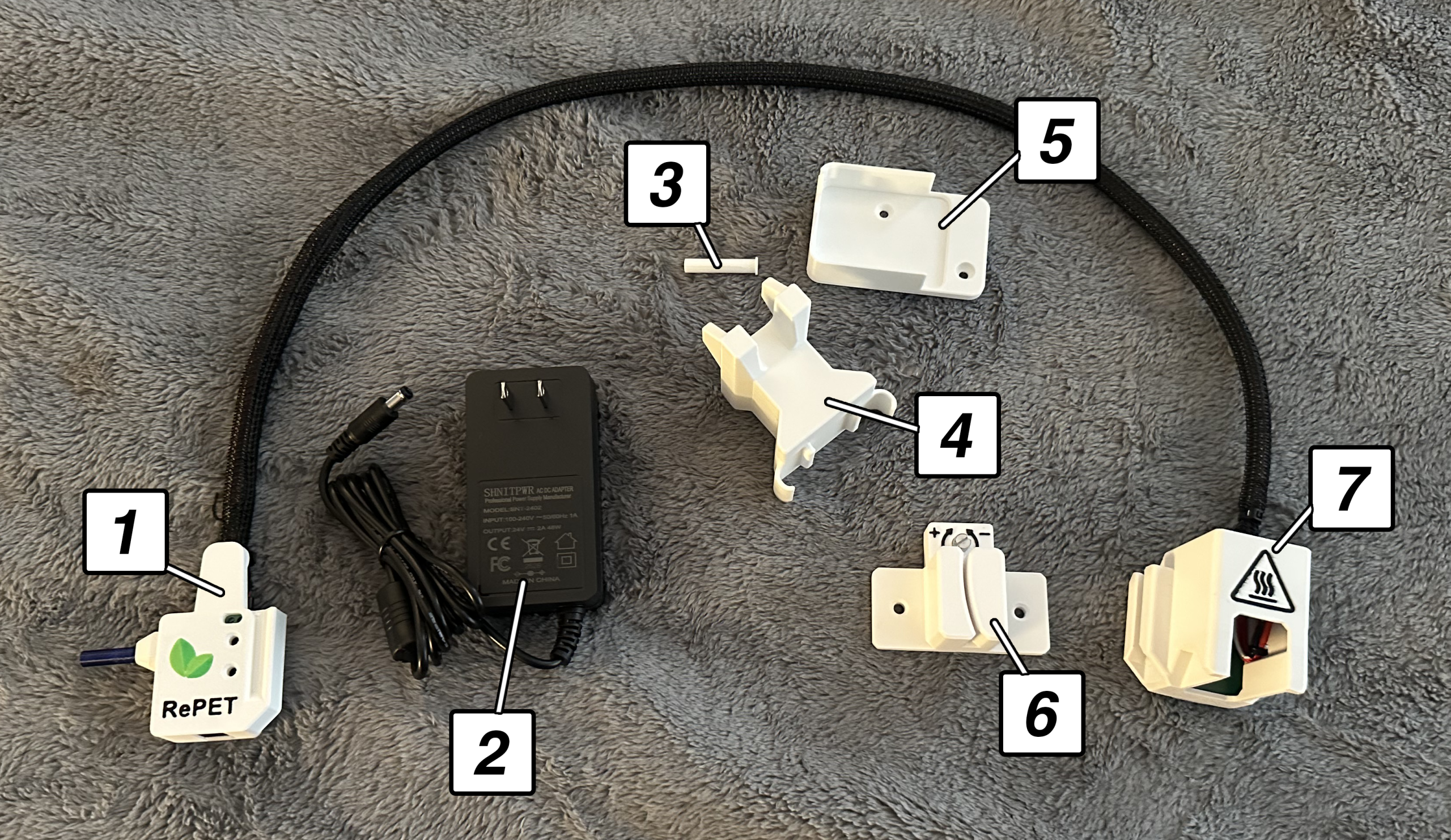 Figure 1: Ordered and printed (denoted by italics) parts of the RePET system, labeled from 1-7, from left to right. [1: Electronics Module, 2. 12V AC/DC Converter, 3. Button Extension, 4. Extruder Base, 5. X-axis Mounting Bracket, 6. Bottle Cutter/Stripper, 7. Extrusion Module].
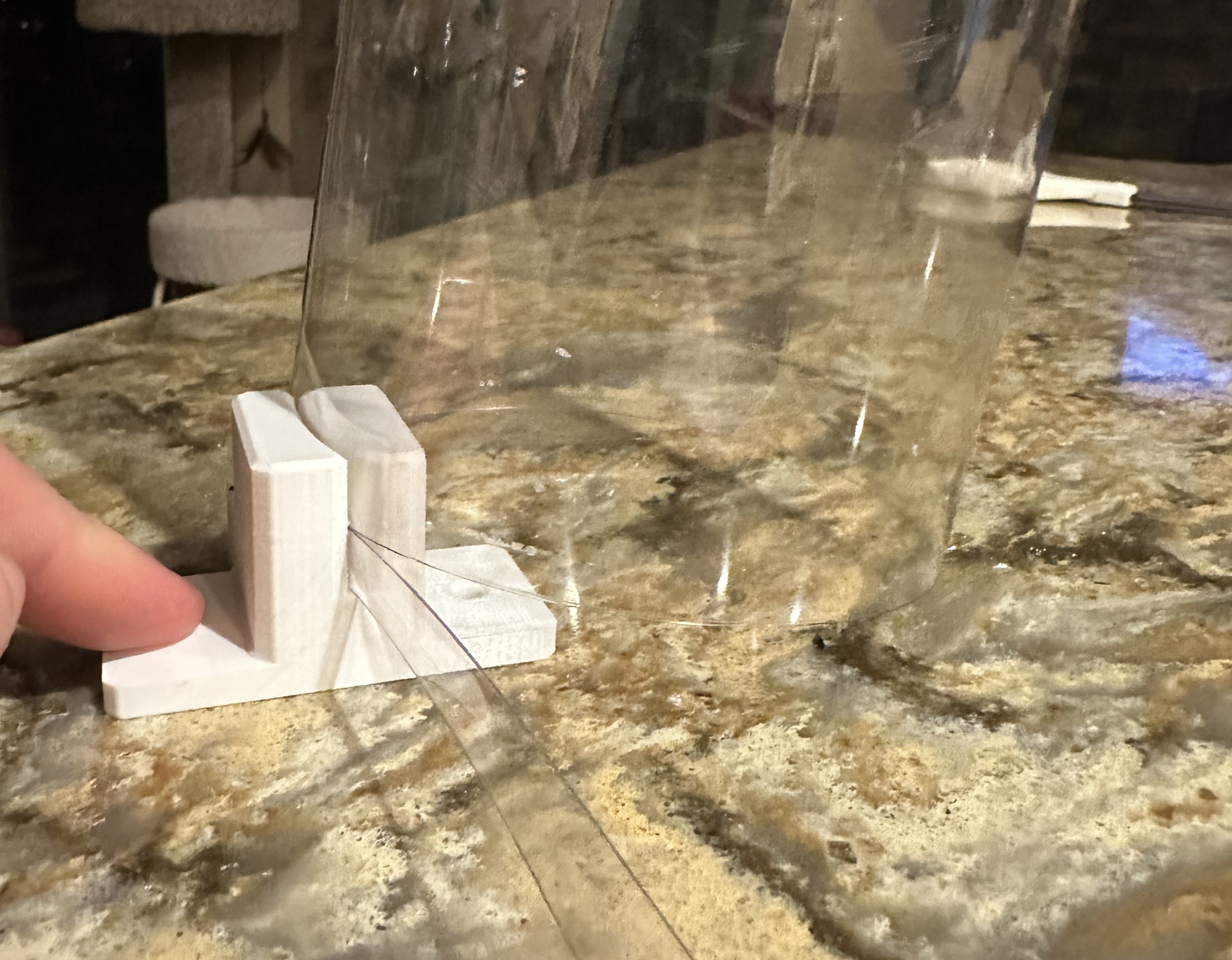 Figure 2: 2-liter bottle stripped into extrudable PET strips.
A Bambu Labs A1 printer was used to extrude the hollow PET filament. Several RePET parts, shown in Figure 1, were ordered or printed to adapt to this printer. The extrusion module houses the heating block and the cold extrusion nozzle, which convert PET strips into hollow rPET filament fed through the printer. The electronics module heats the extrusion module, indicates its activity via a red or green LED, and holds the extrusion module when not in use. This part also features a button that the printhead can interact with to turn the system on or off through G-code modifications.
Printable parts specifically designed for the A1 printer were also used via the RePET GitHub Page [5]. The x-axis mounting bracket holds the electronics module on the printer using two screws, preventing it from falling off or slipping. This replaces the standard x-axis motor cover, as shown in Figure 3. The extruder base holds the extrusion module in place and is secured by the pulling force of the extruded filament through the nozzle when active. After removing filament and tubing from the Bambu Lab’s AMS system, it is positioned directly above the A1’s filament extruder. A new part was also printed to replace the lever in the extruder gear assembly. This new lever can more easily grip a hollow filament without deformation. In this same assembly, a spring that provided some gripping variability was removed, and the tensioner bolt was replaced. A longer M3 tensioner bolt was used to more effectively control the gripping force on the filament using an Allen key, rather than having to remove several parts from the extrusion module every time an adjustment was required. A 12-V AC/DC converter is also used to power the electronics module. All parts mentioned here were ordered or printed through ECODECAT’s website [3].
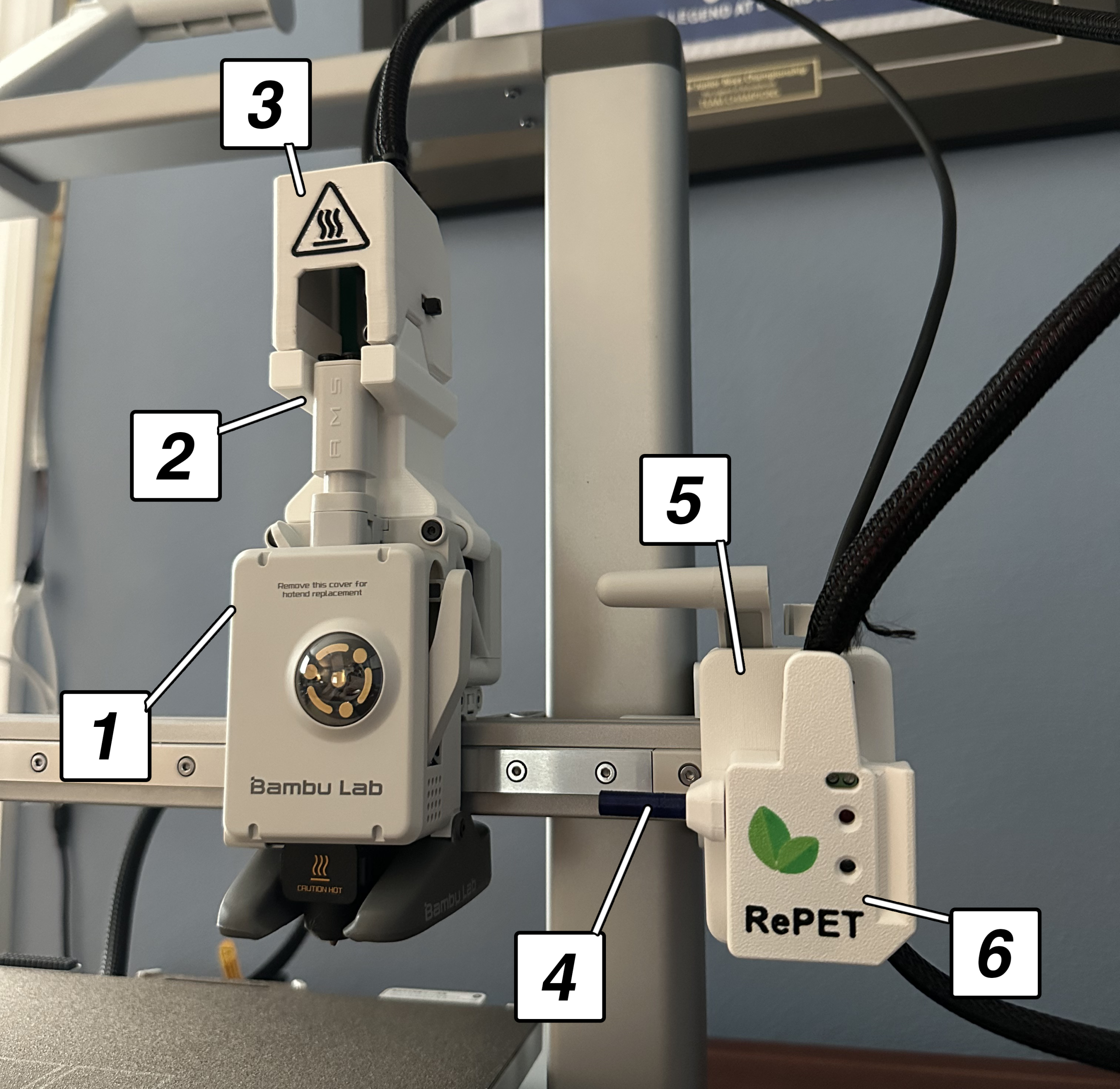
Figure 3: Final setup of RePET components connected to a Bambu Labs A1 printer, labeled from 1-6, from left to right. [1: Lever & Tensioner Bolt Replacement, 2: Extruder Base, 3: Extrusion Module, 4. Button Extension, 5. X-axis Mounting Bracket, 6. Electronics Module; Not Pictured: 12V AC/DC Converter, which attaches at the base of 6.]
Filament and print settings were adjusted in Bambu Studio prior to extrusion. A baseline, generic PETG filament was chosen as the starting point, as it has the most comparable properties to rPET [6]. The flow ratio was increased from the default value of 0.96 to 1.25 to compensate for the reduced flow caused by the hollow structure of the rPET filament. Maximum volumetric speed, or flow rate, was reduced to 3 mm3/s from 13, for this same reason. Fan speeds were reduced to 0-20% to minimize shrinkage, brittleness, and poor layer adhesion caused by crystallization from fast cooling. The retraction length was also set to 0 mm to ensure no deformation of hollow filament clogs the printer nozzle. Nozzle temperatures were varied as part of the project’s analysis. Filament profiles for 255, 260, and 265°C nozzle temperatures were created and saved separately, and include an initial nozzle temperature of +5°C (to each nozzle temperature) for better initial adhesion. Modified g-code, shown in Appendix A, was also added to each filament profile to automatically press the button that turns off the RePET system at the end of printing [3].
For each print, the layer height was set to the Optimal 0.16 mm setting to achieve finer detail in the parts. An initial layer height of 0.12 mm was also set to improve initial layer adhesion to the textured PEI plate. The top and bottom shelf layers were each increased to 6 and 4, respectively, from 4 and 2. Print speeds — for the outer wall, inner wall, sparse infill, and internal solid infill — were reduced to a range of 50-65 mm/s. This is significantly slower than the default range of 200-300 mm/s, but it is necessary to slow extrusion to compensate for a lower flow rate [6]. Strips and hollow filaments need to be fed through at a specific rate and force, and these changes reflect this the best. Like temperature, the infill percentages and x-y orientations of parts were also varied as analysis parameters. Infill percentages ranged from 10% to 30% with a grid infill pattern, and orientation on the print bed was either 0°, 30°, or 45° for each part printed.
Prior to extrusion, PET strips were dried for 1 hour in a dehydrator at 74°C. They were then fed through the cold extrusion module while inactive, and the RePET system was powered on. Needle-nose pliers were used to pull the hollow filament through the cold extrusion nozzle that would then be inserted into the printer’s extrusion head. The ends of filament strips were cut prior to feeding to ensure a clean feed into the cold extrusion nozzle. The nozzle was preheated, and the filament was loaded into the printer. All test parts followed this procedure prior to printing.
The goal of this project was to characterize how three key parameters affected tensile strength and moduli of rPET parts. These include the nozzle temperature, infill percentage, and build plate orientation of each part. In this, 27 total parts were printed, all unique in their combination of these parameters. Nozzle temperature was varied between 255°C, 260°C, and 265°C; infill percent was varied between 10%, 20%, and 30%; and orientation angle was varied between 0°, 30°, and 45°, as previously mentioned. Three prints of nine parts each were completed for each nozzle temperature setting. The parts themselves represent ASTM-D638 Type V, dogbone-style test parts. An .stl model of this standardized part was downloaded from Thingiverse, then sliced in Bambu Studio prior to printing [7]. Modifiers were used to alter the infill density between parts in the same print, and a final render of the sliced parts is shown in Figure 4.
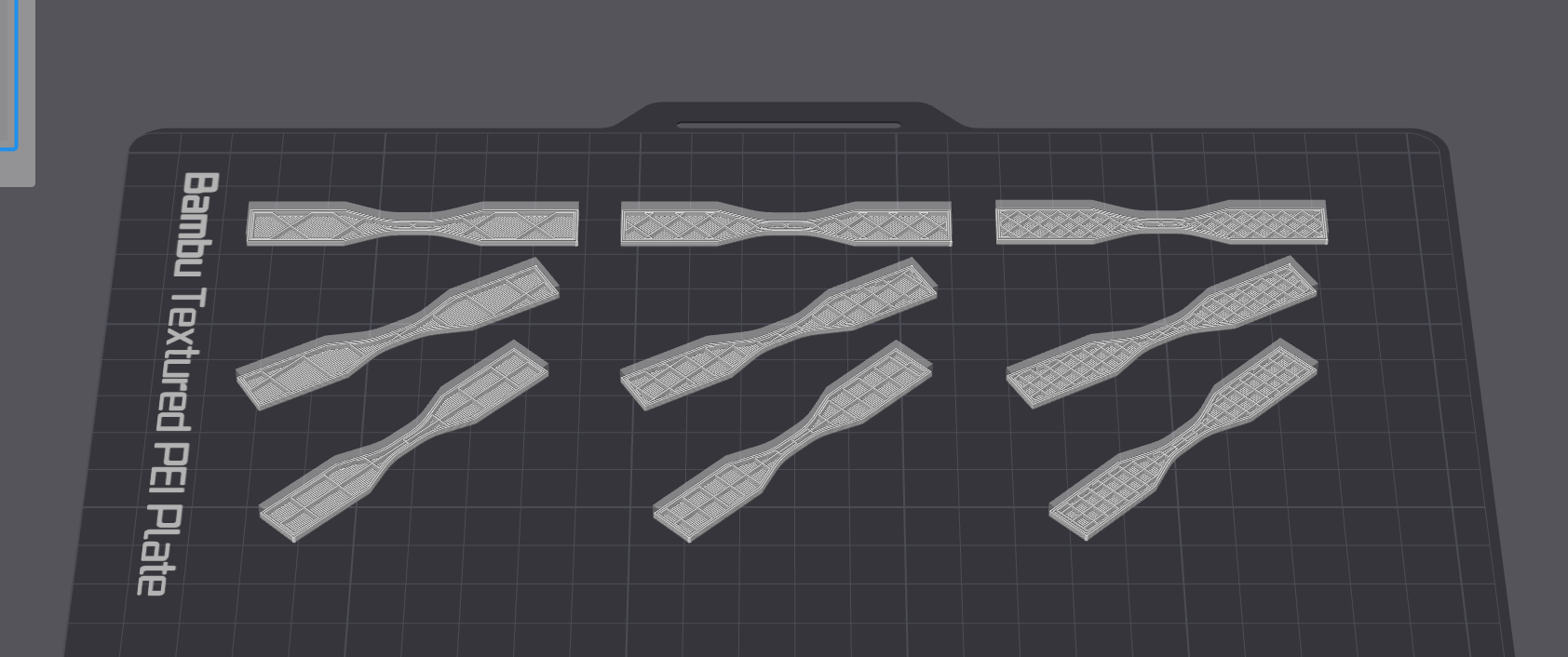 Figure 4: Sliced models of nine ASTM-D638 Type V dogbone specimens using Bambu Studio software.
After characterizing the print settings, a functional, real-world object was selected to determine how practical this material is. A clothes hanger was chosen as the object, as it typically has a weak region under tensile loading near its hook, making it the perfect subject for this qualitative experiment. A file from Thingiverse was downloaded and sliced in Bambu Studio prior to printing [8]. This model was printed with the same filament and print settings mentioned above, but with a nozzle temperature of 260°C, an infill percentage of 30%, and a 40° angle on the build plate.
Following successful prints yielding 27 parts, dogbone specimens were labeled and stored with silica packets to keep them dry prior to tensile testing. Calipers were used to measure average gauge lengths, thicknesses, and widths. A 1 kN load cell was installed on an MTS Insight machine, and wedge grips were attached to hold the flat Type V parts during loading [9]. The controller was powered on, upper crosshead limits were set, and a sampling rate of 500 Hz and a deflection rate of 0.5 mm/s (or 3 mm/min) were entered into the machine. The default plastic tensile test, already saved on the computer and in the MTS software, was used. Each sample was loaded into the wedge grips, which were then tightened. Load and displacement values were set to zero, and then a tensile test was performed. Following part fracture, wedge grips were loosened, the sample was removed, and the displacement was reset to its original position. Raw data for each test was saved under the filename convention: “rPET_TypeV_3mmmin_[TEMPERATURE]_[INFILL]_[ORIENTATION].” This process was repeated for all 27 parts, then the data was saved to the departmental cloud storage.
Raw data was imported into MATLAB for further analysis. Force and displacement timestamps were converted into stress and strain values, which were then used to compare each sample with the others. Mean ultimate strength (UTS) and elastic moduli (E) were calculated for each parameter of interest, alongside standard deviations. Graphs comparing the ultimate strength and elastic modulus of each specimen were generated. Additional analysis includes modeling the average elastic region for all parts grouped by each parameter of interest, such as nozzle temperature, infill percentage, and build plate orientation. Lastly, for each parameter, different conditions or values were compared to identify any significant differences in ultimate tensile strength or elastic modulus. The full MATLAB code was planned for a separate appendix, but it is nearly 10 pages long, so it will be included as supplemental material and uploaded with the report.
Results
27 parts were successfully printed, although 2 initially failed due to poor adhesion to the print bed. These two parts were reprinted without any noticeable deformation. Overall, printed parts remained transparent and could be easily distinguished from each other through variations in infill and print bed orientation, as visible through transparent walls. No other surface defects or obvious quality issues were noted.
A visualization of dogbone specimens following MTS testing is shown in Figure 5, below. Of the 27 parts tested for tensile strength, 25 showed valid, non-outlier results. The two outliers failed very early in the tensile test — likely due to slippage or overclamping parts on the wedge grips. Only the elastic portions of these tests could be modeled, as the MTS software cut off plastic regions in several instances. Figure 6 plots all valid specimens against each other in terms of ultimate tensile strength (UTS) and elastic modulus. This graph shows widespread variation across parts and their parameters, but two key aspects are noted. The 260°C specimens, highlighted in green, are plotted mostly on the top or right side of the figure, highlighting their greater UTS and elastic moduli. 265°C and 30% infill dogbones also show a very tight grouping, highlighting low variability in UTS and elastic moduli between parts.
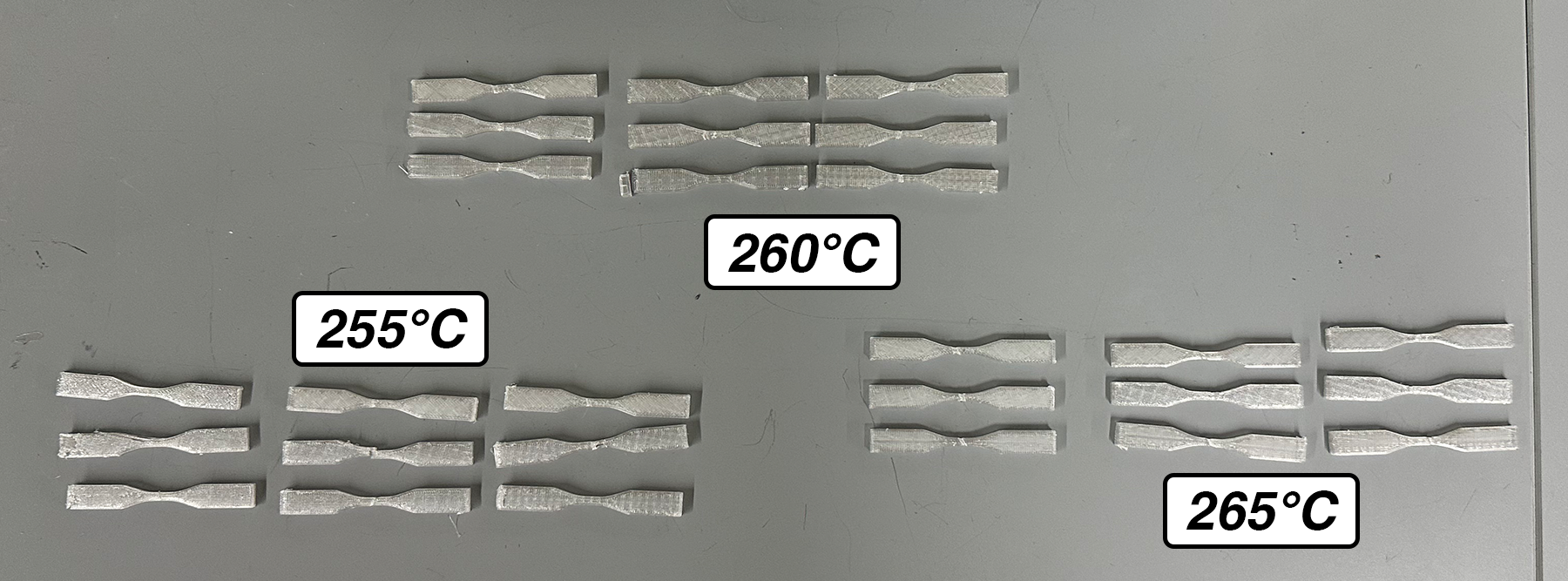 Figure 5: Resulting rPET parts following tensile testing, grouped by temperature values.
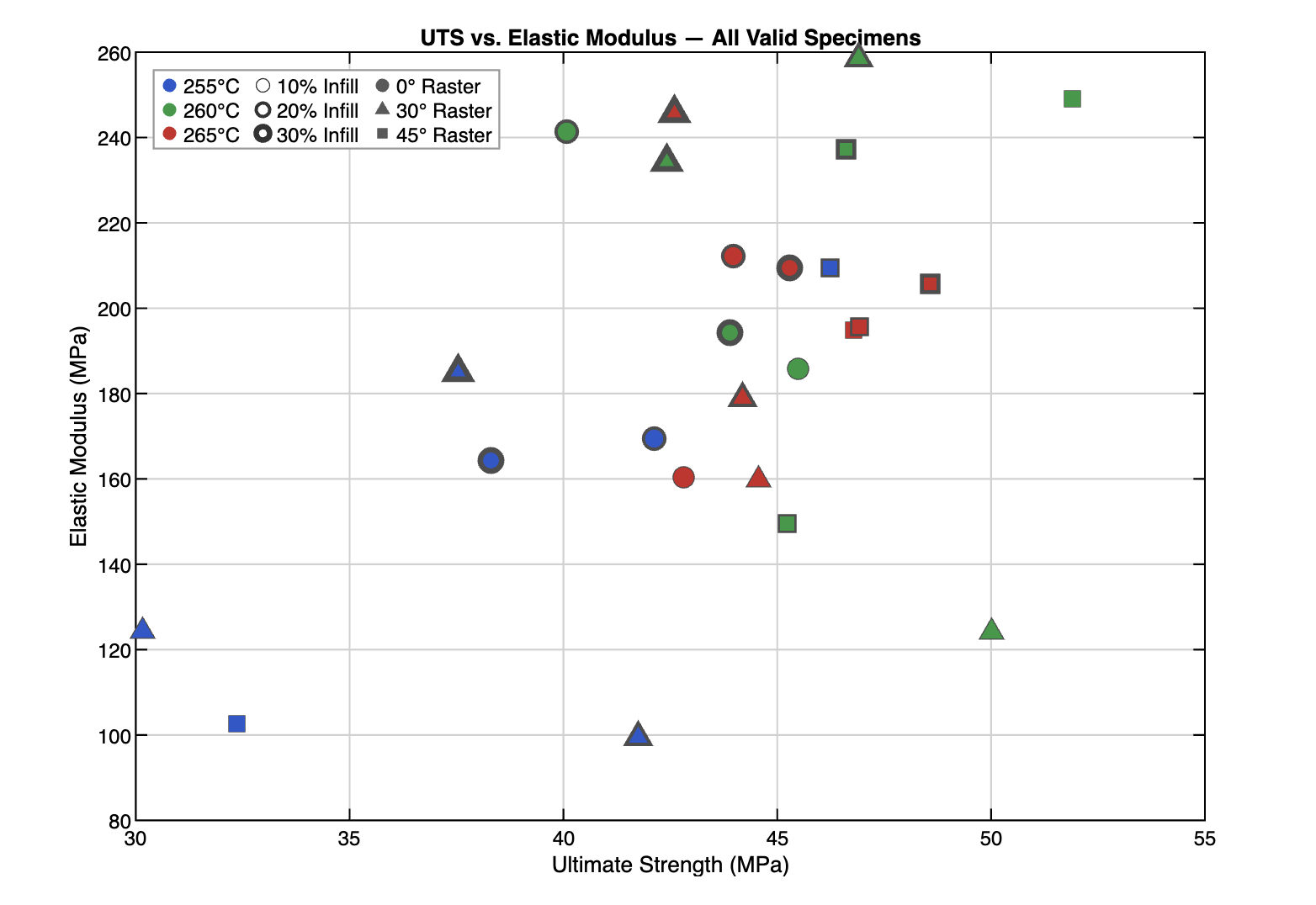
Figure 6: Ultimate Tensile Strength (UTS) plotted against Elastic Modulus for all 27 specimens loaded in the MTS machine and tensile tested. Each parameter is denoted by color (temperature), outline size (infill percentage), or shape (orientation angle). Two outliers are excluded. All values are listed in MPa.
The elastic curve regions, in terms of stress and strain, as a result of varying each parameter, are shown in Figures 7a-c. For each parameter, the stress/strain responses for the three options are grouped and averaged, then plotted against one another. For temperature, the 255°C curve shows a much flatter slope than either the 260°C or 265°C curves, likely indicating a lower elastic modulus. The same can be said for infill, where the 10% infill condition showed a flatter curve than either 20% or 30% infill specimens. Regarding plate orientation, the 45° parts have a steeper slope, and therefore a greater elastic modulus than 0° or 30° conditions, albeit not by much compared to temperature or infill settings.
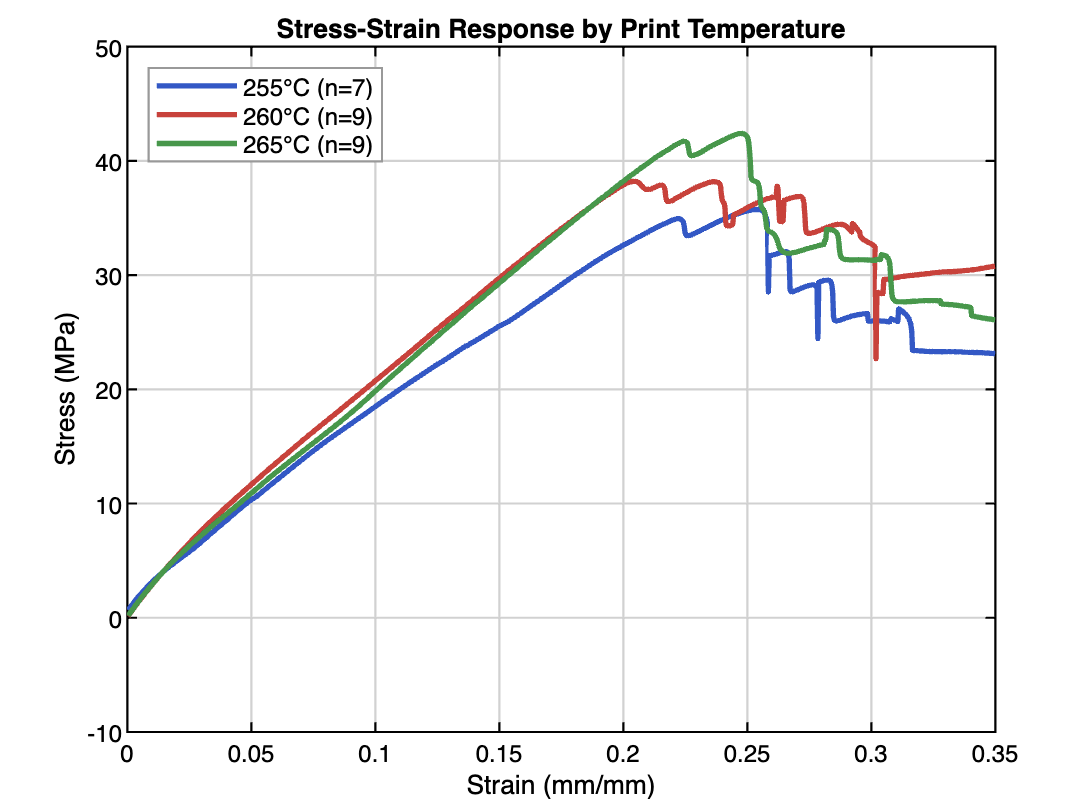
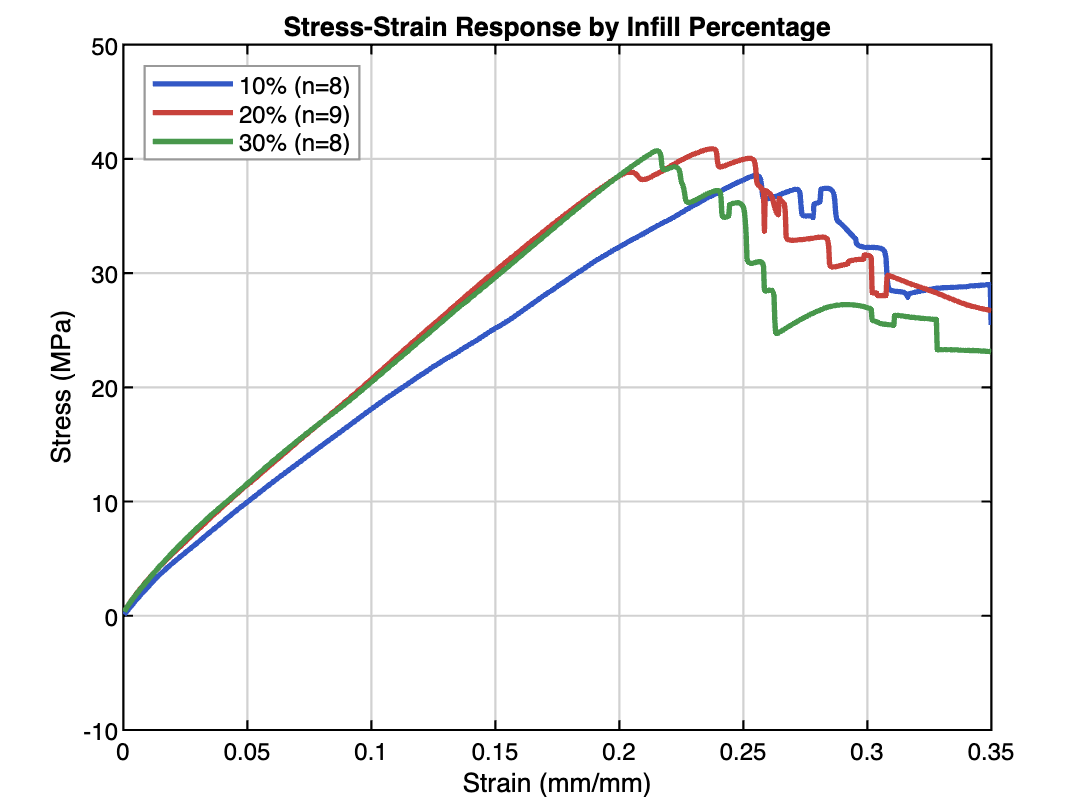
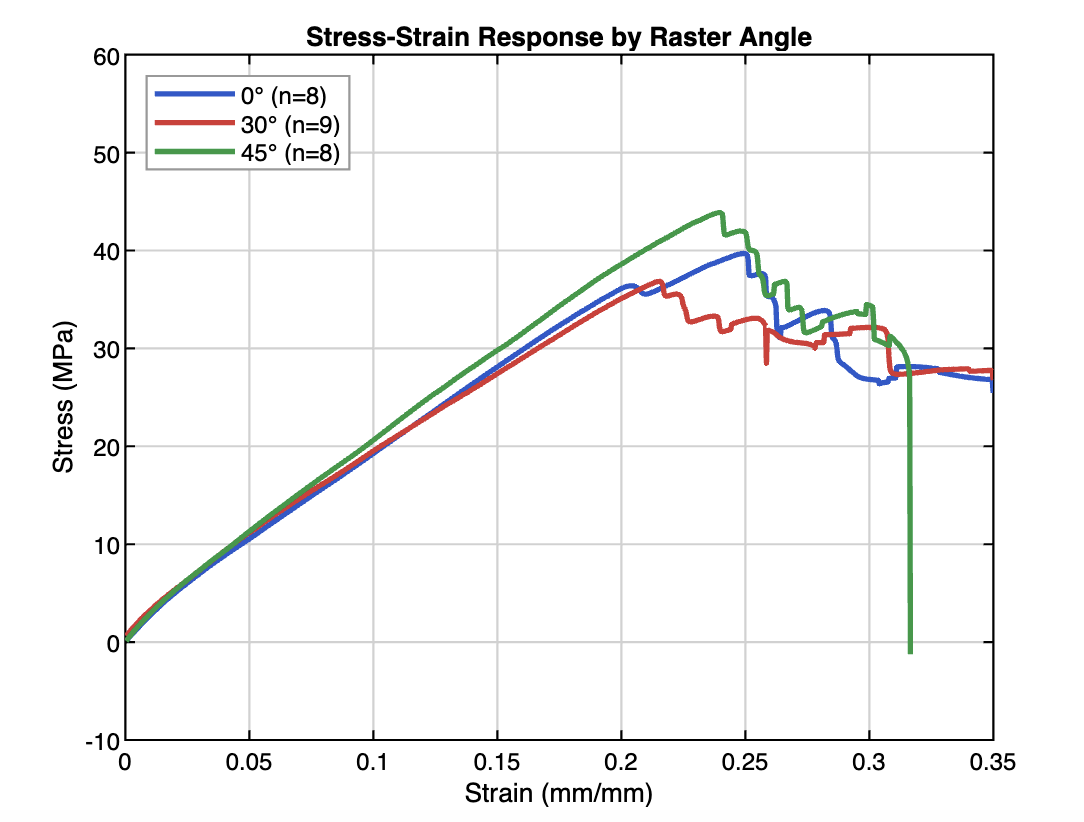
Figures 7a-c: Stress (MPa) versus strain (mm/mm) curves plotted for the elastic region. Each parameter value is assigned a different color, noted by the key. Each graph groups the responses of one of the three analyzed parameters. [7a: Nozzle Temperature, 7b: Infill Percentage, 7c: Raster/Orientation Angle]
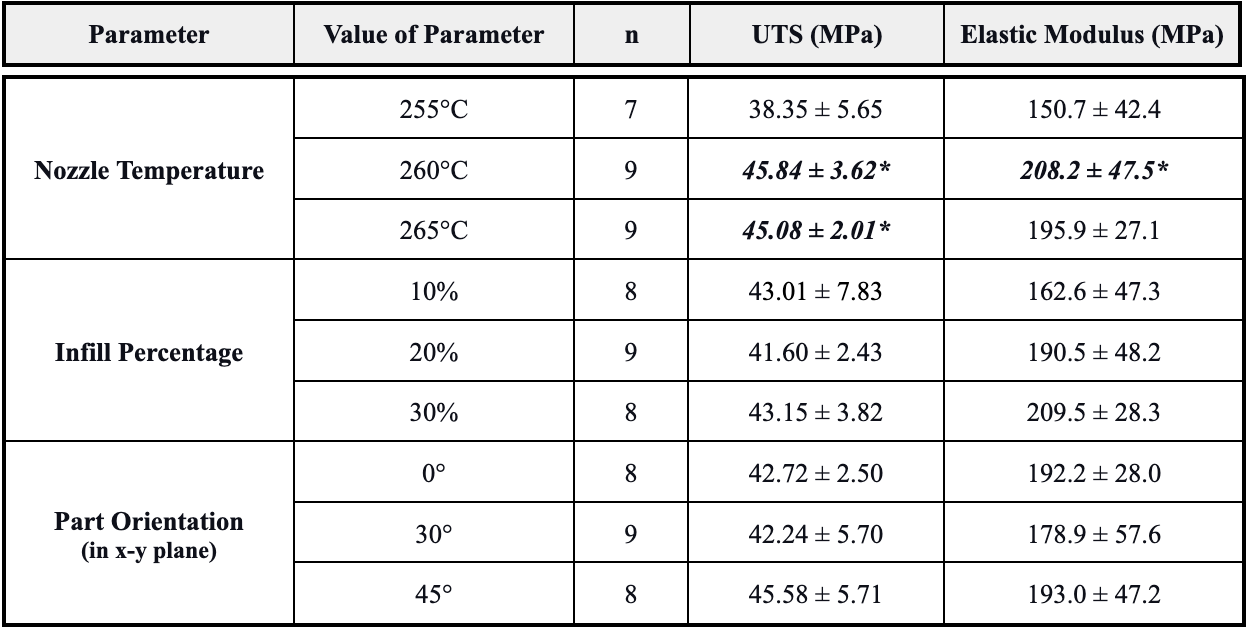
These effects are more pronounced in Figure 8, which presents six plots in which parts are grouped by parameter and compared with the other conditions within that parameter for ultimate strength and elastic moduli. For example, the top-left plot highlights the significant difference between the 255°C and 260/265°C parts in terms of UTS. Additionally, the bottom-left figure shows the same significance between 255°C and 260°C parts for the elastic modulus. Increases in infill percentages show a modest linear correlation with elastic modulus. No significant effects were noted with variations to orientation angles. The 45° configuration shows a slightly higher UTS than other orientations, but its high variance does not support calling this observation significant. UTS and elastic moduli values for each parameter, and its three configurations are shown in Table 1.
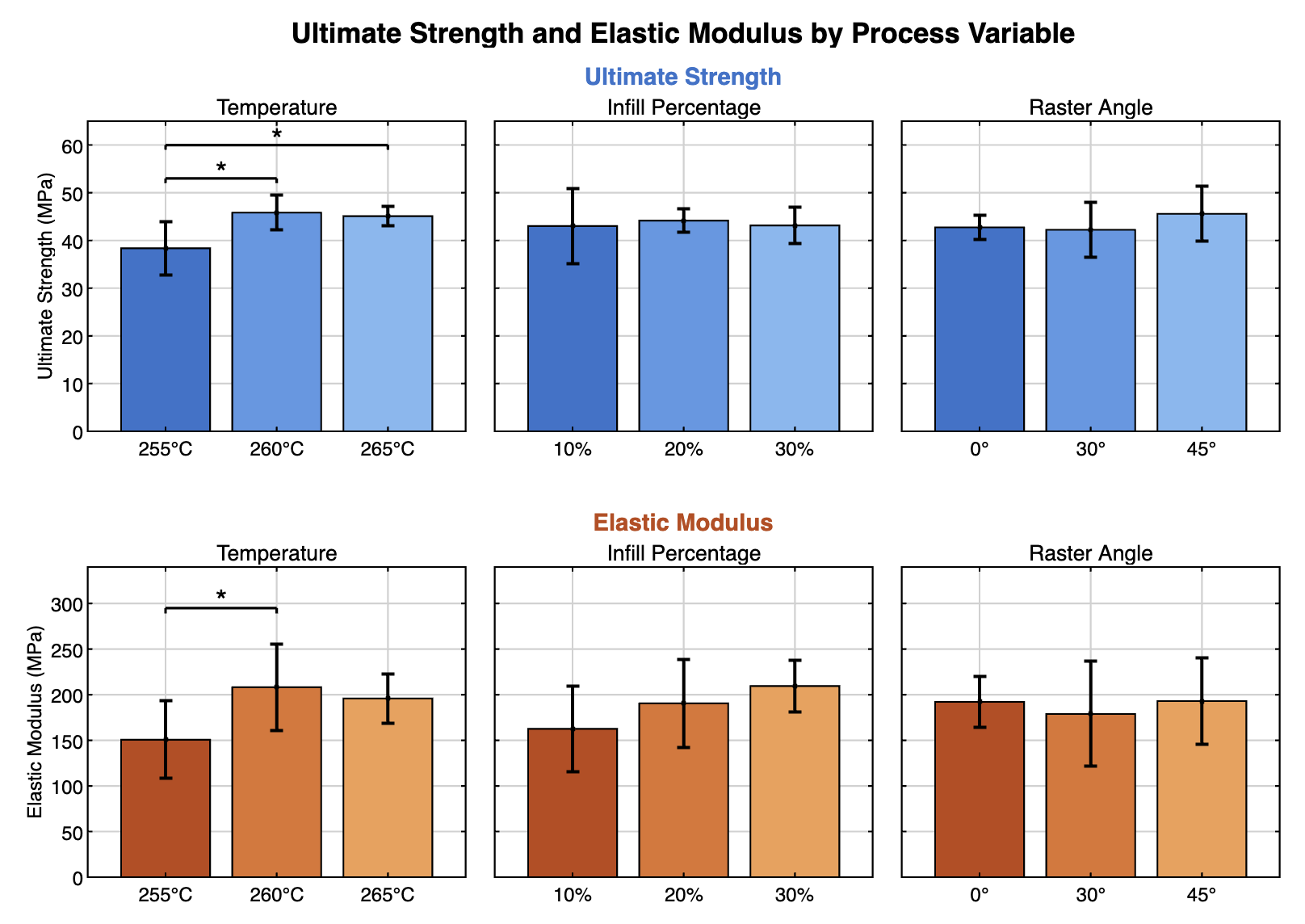
Figure 8: Average UTS and elastic modulus values for parts grouped by print parameter. For each parameter, the parameter values are compared to identify significant differences in strength, denoted with an asterisk (*) for UTS or elastic moduli. Only parts printed with a nozzle temperature of 255°C showed any significance.
Table 1: Mean UTS and elastic modulus values by process variable. Values are reported as Mean ± SD in MPa. Bold, italic text alongside an asterisk (*) denotes statistical significance from the 255°C condition.
After characterizing the filament and print settings, a clothes hanger was printed at a nozzle temperature of 260°C, an infill percentage of 30%, and an angle of ~40°. These were chosen because they have the strongest mechanical properties, as measured by UTS and elastic moduli. The print model was scaled down to about 80% of its original size, due to build plate restrictions [8]. However, the final print of this clothes hanger, shown in Figure 9, still functions well. It is typical of rPET or PETG: it is flexible yet strong. It can hold clothes without deformation or brittle fracture, and although it bends under applied force, it does not break easily under loading conditions.
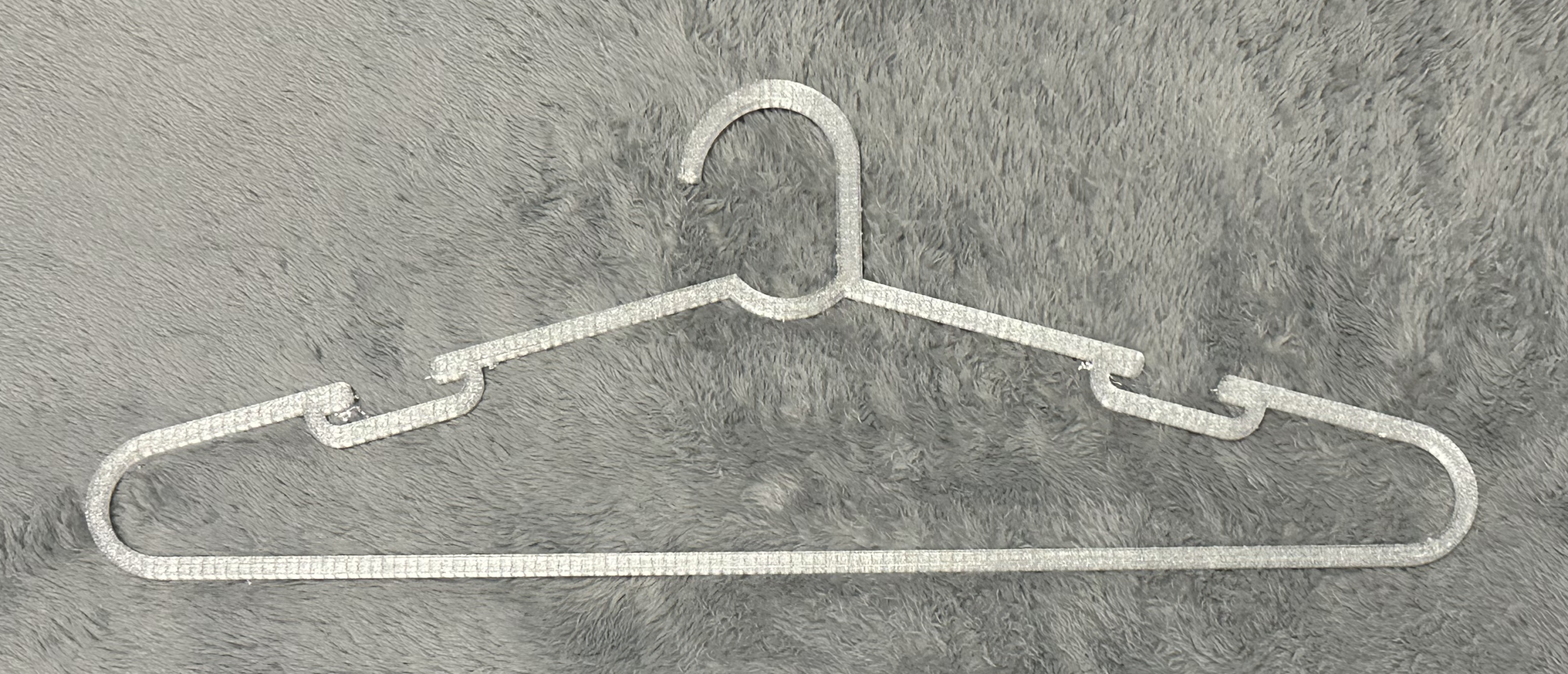 Figure 9: Final print of the rPET-derived clothes hanger.
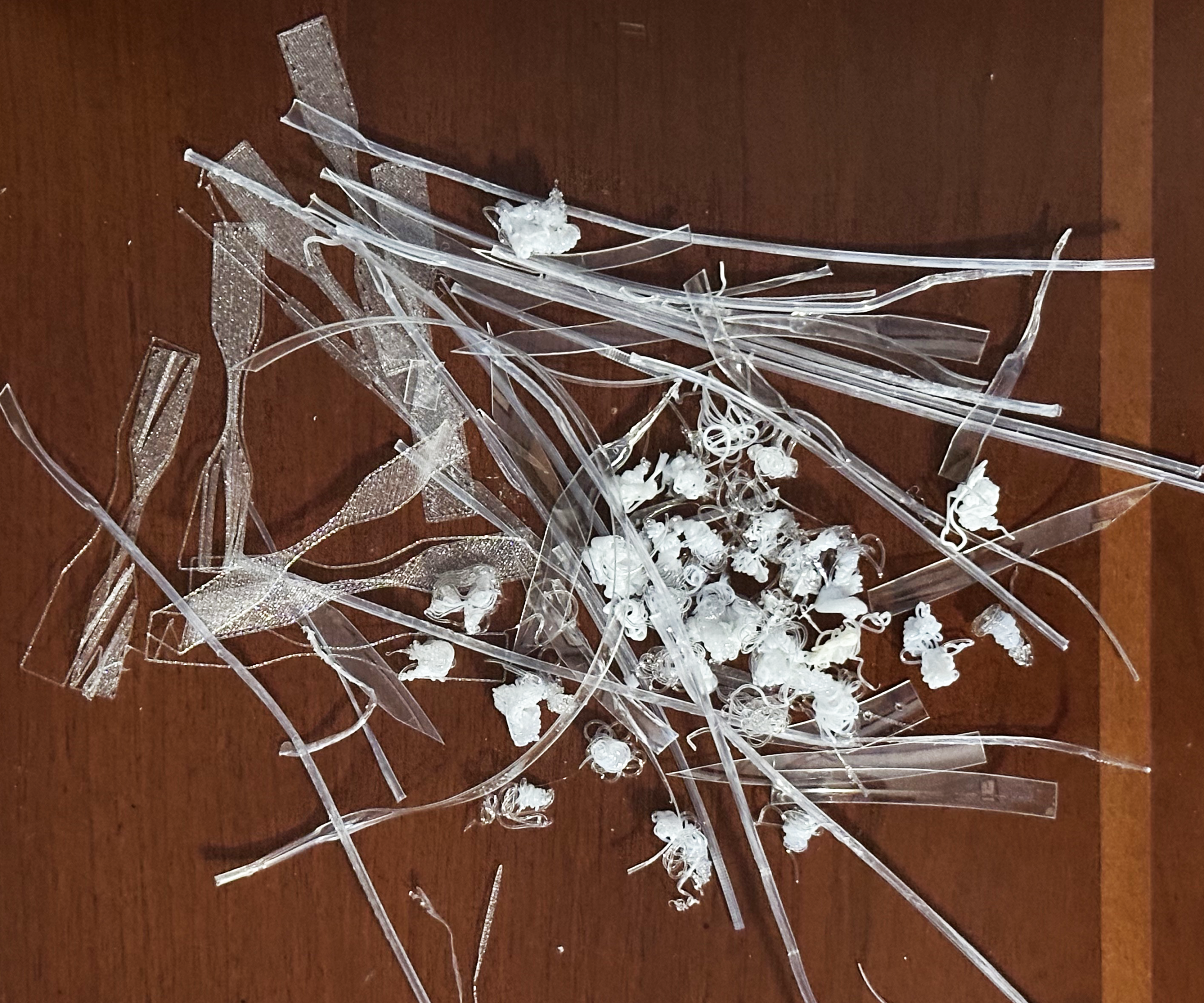
Figure 10: Excess PET and rPET waste generated by printing 27 ASTM-D638 Type V dogbone specimens, and a clothes hanger. Much of this waste stems from failed print jobs, filament loads, or flow calibration prior to printing.
Discussion
For temperature, there is a significant difference between 255°C prints and the other two conditions, 260°C and 265°C. The latter notably outperforms the former, likely because at 255°C, the rPET hollow filament is not fully reaching its melt temperature. This can result in underextrusion or poor flow through the nozzle, leading to poor layer adhesion and bonding. This is likely why the 255°C profile shows a noticeably lower UTS and elastic modulus. Additionally, the 260°C and 265°C profiles exhibit similar strength characteristics, likely because the ideal print temperature for PET strips lies between these values. The optimal processing window for PET is around 260°C, so any fall-off from these conditions would likely be due to early thermal degradation caused by an excessively high extrusion temperature [11]. No significant differences were noted between infill percentage and print bed orientation parameters. The only trend is that elastic moduli increase with increasing infill percentage, as more infill material can resist tensile deformation at higher percentages.
The scatterplot in Figure 6 shows substantial, seemingly random, variation in the UTS and elastic moduli across different print conditions. rPET’s inherent hygroscopic properties are likely the cause, as it can still absorb moisture from humid air between dehydration and printing, which could explain this variability. The width of PET strips cut with the bottle stripper could also explain this inconsistency. Variations, no matter how slight, could give rise to small differences in the total volume of strips that are formed into filament. This could lead to over- or underextrusion at some point during printing, potentially influencing hidden-layer adhesion issues that do not appear until tensile testing is complete. Additionally, a too-tight grip on the hollow filament can easily deform it, leading to inconsistent flow and the same layer adhesion problems. One other potential influence is the wear of the RePET parts over time. The cold extrusion nozzle detached once during this process. As more PET strips were extruded, the filament may have become inconsistent, potentially affecting the final strength properties of the specimens. Small, grouped sample sizes also may have affected the project’s variability.
Compared with similar studies on the properties of rPET, their results show much stronger mechanical properties [11]. The average UTS of rPET was found to be ~59 MPa, compared to the calculated range of 38-46 MPa in this paper [11]. On top of this, the average elastic modulus is ~915 MPa, which is significantly greater than the 150-210 MPa range characterized here [11]. This represents a significant difference between values, and there are two main reasons for this discrepancy. The first is that this procedure compared lower infill densities (10-30%), whereas comparative studies typically print solid 100% rPET parts. This explains the near 5-fold difference between elastic moduli, which would likely be closer to the literature value had 100% infill specimens been tested. Additionally, comparative studies nearly always use commercially recycled PET, which is almost always shredded rather than stripped [11]. These factors, or other procedural differences, could be to blame for the marked differences in material strength.
Limitations of this study include the use of crosshead displacement to calculate strain rather than true strain measurements with an extensometer. This may mean that strain values are overestimated, as noise from machine movement is factored into the displacement measurements [12]. The small sample sizes of 7-9 for each analyzed parameter could also play a role here. A larger sample set is required to make meaningful connections between print parameters and material property outputs with lower variance. The inability to join PET strips together, as mentioned in the RePET system documentation, represented a constraint to larger applications. Given that one 2-liter bottle can produce only ~20 grams of PET strips, users of this system can print parts weighing less than this. For small parts, like Type V dogbone specimens, this is not an issue, but the inability to print larger-scale parts hinders use in real manufacturing or recycling environments. Lastly, the MATLAB analysis used a 35% UTS cutoff to identify and denote elastic regions. This may not be true for every sample’s elastic region, and future use of an extensometer and more defined proportional limits would improve accuracy in material properties.
Conclusion
Dogbone specimens were successfully printed in rPET material using the RePET system to convert personal waste into printable filament. Print and filament parameters were also characterized for future replication. Retraction of any kind must be disabled, at least with the Bambu Labs A1 printer, as otherwise, the end of the hollow filament can be deformed, blocking extrusion through the nozzle. The recommended nozzle temperature is between 260 and 265 °C. Higher infill percentages show a clear proportional relationship with increases in elastic modulus. No significant effects were observed with the build plate orientation of specimens. One major problem is that process variability remains very high, underscoring the importance of properly drying PET prior to printing due to its hygroscopicity. This process also still generates substantial amounts of plastic waste. Figure 10 shows the total waste generated by the procedure for all 27 parts, which is significant for the small amount of plastic used.
Overall, rPET parts appear to be a viable option for low- to medium-loading applications. The RePET system is viable for printing smaller objects, such as a clothes hanger, but it requires a lot of patience, familiarity with FDM printing, and careful setup. Beginners should not attempt to replicate this procedure. Small details can easily derail this procedure and damage printer components. Not being able to remove bottle ridges or cutting strips to the wrong width are a few instances of this. In addition, not being able to join strips together was a significant constraint in this system’s scalability. This is the most difficult part of the process, and is required to print larger parts (>20g) [5].
Future work includes analyzing the same filament and printing parameters, but with larger sample sizes to reduce process variability. The use of an extensometer to calculate true strain values would also be beneficial. Tensile testing should also be rerun to capture more accurate elastic regions, plastic deformation regions, and elongation at break values for future specimens. Joining strips is also a key portion of future work, as larger, more functional prints often require more than 20g of filament to complete. Lastly, the nozzle temperature range for the characterization processes should be expanded to above 265°C and below 255°C to define the optimal print range better and clarify when degradation effects with this system begin to appear.
References
- A. Z. Werner et al., “Tandem chemical deconstruction and biological upcycling of poly(ethylene terephthalate) to ?-ketoadipic acid by Pseudomonas putida KT2440,” MetabolicEngineering, vol. 67, pp. 250–261, Sep. 2021, doi: 10.1016/j.ymben.2021.07.005
- “2023 US PET Bottle Recycling Rate Reaches Highest Level in Decades; Recycled PET Content in US Bottles Reaches Highest Level Ever,” NAPCOR. https://napcor.com/news/2023-pet-bottle-recycling-reach-new-heights/
- “RePET,” ECODECAT3D. https://ecodecat.com/pages/repet
- Recycling Academy, “3D printing from PET bottles,” Plastic Odyssey. https://plasticodyssey.org/wp-content/Recycling-Academy/EN/MINI-GUIDE-Tech-3D%20printing-from-PET-bottles.pdf
- ecodecat3d, “Branches · ecodecat3d/RePET,” GitHub. https://github.com/ecodecat3d/RePET
- “rPET Filament 3D Print Settings: Temperature, Speed & Profiles,” Sustainable Design Studio. https://www.sustainabledesign.studio/filamentmaker-printsettings
- Thingiverse.com, “Standard Tensile Test ASTM D638 Specimen Type I – V (1-5) by znanzhu,” Thingiverse – The community for Open Hardware. https://www.thingiverse.com/thing:2332080
- Thingiverse.com, “Clothes Hanger by Sanjay_BP,” Thingiverse – The community for Open Hardware. https://www.thingiverse.com/thing:4544898
- J. Puccinelli, “ECB Room 1002 – Biomedical Experiential Teaching Lab.” https://calendar.google.com/calendar/newembed
- Y. Celik, M. Shamsuyeva, and H. J. Endres, “Thermal and Mechanical Properties of the Recycled and Virgin PET—Part I,” Polymers (Basel), vol. 14, no. 7, p. 1326, Mar. 2022, doi: 10.3390/polym14071326.
- L. Hedjazi, S. Belhabib, and S. Guessasma, “Exploring microstructural characteristics and tensile behaviour in 3D-Printed polyethylene terephthalate,” Journal of Materials Research and Technology, vol. 39, pp. 1168–1184, Nov. 2025, doi: 10.1016/j.jmrt.2025.09.136.
- “The Challenges of Strain Control | Instron.” https://www.instron.com/en/industry-solutions/metals/strain-control/
- “RePET BambuLabA1 Adapter – Free 3D Print Model – MakerWorld.” Available: https://makerworld.com/en/models/2034141-repet-bambulaba1-adapter
Appendix A – End G-Code [13]
G392 S0
M400
G92 E0
G1 E-0.8 F1800
G91
G1 Z30 F1200
G90
G1 X267 F18000
G1 X278 F400
G1 X267 F6000
M140 S0
M106 S0
M106 P2 S0
M106 P3 S0
M104 S0
M220 S100
M201.2 K1.0
M73.2 R1.0
M1002 set_gcode_claim_speed_level : 0
;=====printer finish sound=========
M17
M400 S1
M1006 S1
M1006 A0 B20 L100 C37 D20 M40 E42 F20 N60
M1006 A0 B10 L100 C44 D10 M60 E44 F10 N60
M1006 A0 B10 L100 C46 D10 M80 E46 F10 N80
M1006 A44 B20 L100 C39 D20 M60 E48 F20 N60
M1006 A0 B10 L100 C44 D10 M60 E44 F10 N60
M1006 A0 B10 L100 C0 D10 M60 E0 F10 N60
M1006 A0 B10 L100 C39 D10 M60 E39 F10 N60
M1006 A0 B10 L100 C0 D10 M60 E0 F10 N60
M1006 A0 B10 L100 C44 D10 M60 E44 F10 N60
M1006 A0 B10 L100 C0 D10 M60 E0 F10 N60
M1006 A0 B10 L100 C39 D10 M60 E39 F10 N60
M1006 A0 B10 L100 C0 D10 M60 E0 F10 N60
M1006 A0 B10 L100 C48 D10 M60 E44 F10 N80
M1006 A0 B10 L100 C0 D10 M60 E0 F10 N80
M1006 A44 B20 L100 C49 D20 M80 E41 F20 N80
M1006 A0 B20 L100 C0 D20 M60 E0 F20 N80
M1006 A0 B20 L100 C37 D20 M30 E37 F20 N60
M1006 W
;=====printer finish sound=========
;M17 X0.8 Y0.8 Z0.5 ;
M400
M18 X Y Z